Five flat shoes that keep their shape without an arch cookie

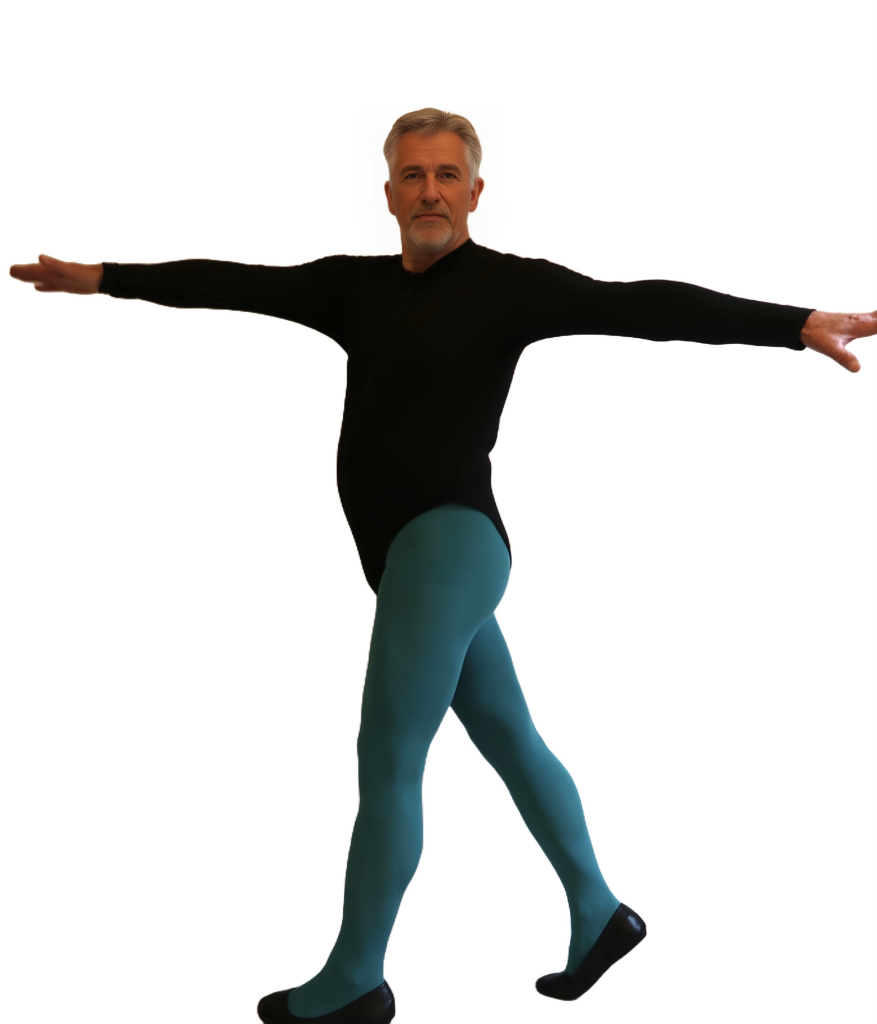
A thin soled shoe can hold an arch without a pad glued under it, as long as the waist of the shoe is built like a short bridge. Remove that structure and no insert will replace it, because the shoe itself is bending where the foot needs it to be still.
This is why a flat with a decent shank outlasts a flat with a soft foam arch support built into the liner. The support is doing the work of the sole, and the sole is doing nothing.
I wore each pair for a month of office days and station platforms, then cut one shoe of each pair open at the end to see what was actually under the foot.
A shank in the waist, steel or fibreglass
The waist is the narrow part between heel and ball, and it is where a flat shoe folds if nothing stops it. A shank is a thin plate set into the sole at that point.
Hold the shoe by the heel and press the ball down onto a table. The waist should stay straight. If it bows, there is no shank or it is too short.
The other test is sound. Tap the waist on a hard surface. A dull, solid note usually means a board is in there; a hollow click means air and glue. A shank that stops at the arch and never reaches the ball is doing half the job.
A heel counter lasted into the upper, not glued on
A lasted counter is built over the last with the upper, so it holds the heel from both sides. A glued cup sits inside the lining and peels away at the top edge within weeks.
Feel inside the heel with a finger. You want one continuous surface, not a plastic cup with a lip you can catch a nail on.
Squeeze the heel from both sides. It should flex as one piece. If the outer leather moves and the inner cup does not, they will separate.
Run a nail along the top edge of the counter. Stitching there is what keeps the rim from rolling down over the heel bone after a few months of humid weather.
A leather insole that takes a footprint
Vegetable tanned leather compresses where you press and stays compressed, which gives you a shallow personal bed without any added arch. Foam lined insoles do the opposite and go flat everywhere.
Look at the edge of the insole at the arch after two weeks. Leather will show a gentle curve where your foot has settled. Foam shows a crease across the whole width.
Leather also dries. That matters more than support on a long day, because a dry foot does not slide forward into the toe box. It also takes the shape of the toes, which keeps them from creeping into the tip.
A stitched rand or welt that keeps the waist from spreading
Glue alone lets the sole spread sideways under load, and once the waist widens the arch drops. A stitched rand, a welt or a vulcanised sidewall holds the outline.
Turn the shoe sideways and look for stitches along the edge of the sole. On a flat with no stitching anywhere, press the sole edge hard with a thumb and see whether it lifts.
This is the single feature that separates a flat that lasts three years from one that lasts one summer, and it is invisible from above. A stitched pair usually weighs a little more, and that extra weight is the structure you are paying for.
Eight millimetres of toe spring that keeps the sole alive
Toe spring is the upward curve at the front. Too little and the sole slaps the ground flat, which is what makes thin shoes tiring on pavement.
Set the shoe on a table and look at the gap under the toe. Eight to ten millimetres is enough to start the roll without pitching you forward.
When the spring collapses, the shoe looks tired even if the leather is fine. That is the point where the sole has given up and the upper is carrying a shoe that no longer rolls. Leave the pair on a flat table overnight and check whether the toe still lifts clear of it in the morning.
None of these features are visible in a photograph, and none of them cost much to build. Ask what is inside the waist before you accept a flat as a flat.
Structure beats padding every time in a shoe this thin, and the difference shows up by the third hour of a day with no seat in it.