Four cushioned trainers that stop flattening out by the third month

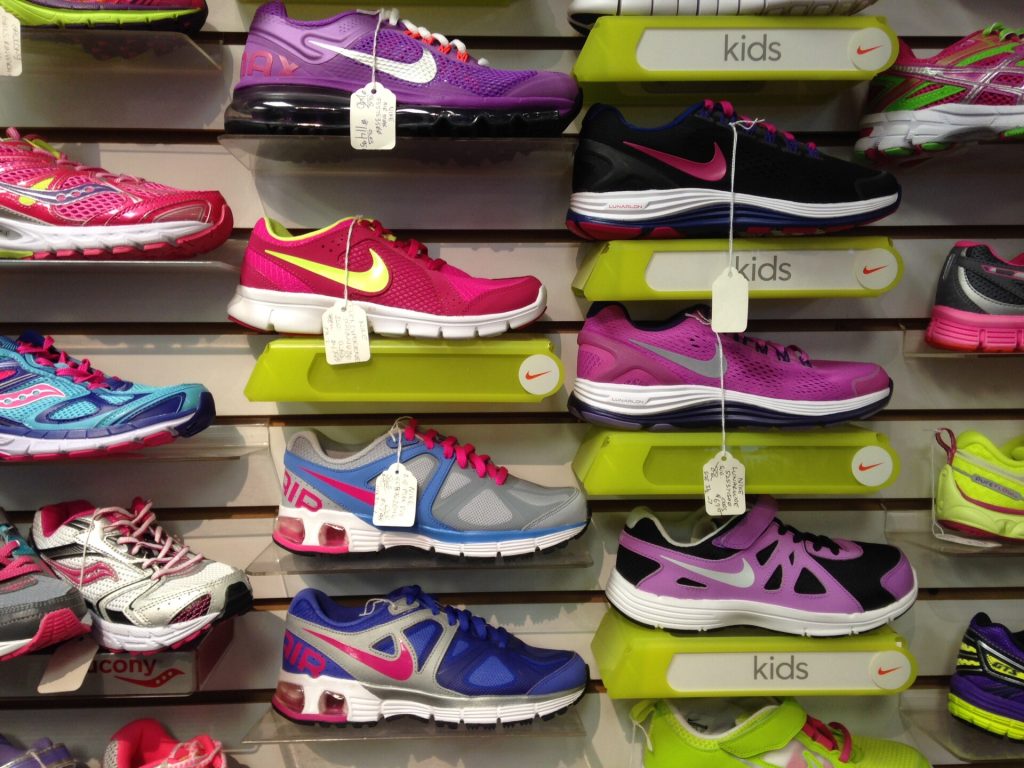
A cushioned trainer goes flat because the foam is too soft, not because it is too thin. Soft foam feels generous for six weeks and then compresses into a dense sheet that transmits every edge of the pavement.
The trainers below all started firmer than I expected and were still doing their job at month four. That is not a coincidence. Density is the only thing that predicts how a midsole ages.
I ran and walked in each pair three or four times a week, weighed them at the start, and pressed a thumb into the same spot on the lateral heel every Sunday to track how far it sank.
The four pairs differ in price and in how they look, and neither of those predicted how they aged. What predicted it was the one number that appears on no box: the density of the foam.
Denser foam under the forefoot than under the heel
Most of the load in walking lands at the heel, so a soft heel is defensible. The forefoot takes the push-off and needs to stay firm, or the shoe starts to feel like it is folding in the middle.
Press both areas with a thumb. A good trainer resists more at the ball than at the heel. If the forefoot is the softer of the two, the shoe will be dead under the toes within two months.
Watch for a visible dip under the first metatarsal after a few weeks. That dip does not come back.
A soft heel is only acceptable when the rest of the shoe is firm. Soft heel plus soft forefoot is a shoe with no firm part anywhere, and that is the combination that turns into a warm slab by week eight.
A sidewall that creases and springs back
Look at the side of the midsole where it meets the upper, just behind the ball. On a healthy foam you see fine horizontal creases that close when you take the weight off.
Creases that stay open, or a line that has turned into a crack, mean the cell structure has broken. The shoe is now a shell with a memory of cushioning.
Check the same spot on both shoes. Wear that is much worse on one side tells you about your stride, not about the foam.
Photograph the sidewall on day one. Comparing that shot with the shoe six weeks later is more reliable than memory, because the change is slow enough to hide from you.
A strobel board that stays flat instead of cupping
The board under the sockliner is thin, but it decides whether the shoe holds its shape. Take the liner out and lay a ruler across the inside at the arch.
A board that has cupped upward is pressing into the foot and has usually separated from the upper at the same time. Run a finger along the inner edge and feel for a gap.
Cupping appears early on shoes with a soft board and a firm outsole, because the two are fighting each other. It is the clearest early sign that the pair will not see month four.
A flat board also keeps the upper from leaning inward at the arch. Once it cups, the whole shoe tilts, and the wear on the outsole moves to the inner edge where you can see it from behind. Run a thumb along the inner edge and feel for a step where the board meets the upper, since a step means the bond has gone.
Outsole rubber that wraps the lateral heel edge
Rubber that stops short of the edge leaves exposed foam to take the first contact. Foam abrades fast, the heel loses height on one side, and the shoe starts to roll outward.
Turn the shoe over and follow the rubber around the back corner. It should climb a few millimetres up the sidewall. Bare foam at that corner is a design decision that costs you a season.
Once the wear reaches the midsole, the shoe is done. Resoling a trainer is rarely worth it, and the foam underneath is already tired.
Look at the join between rubber and foam from the side. A clean line holds. A line with foam crumbs in it has started to crumble, and grit under the edge will finish the job inside a month.
The four pairs that lasted all had a firm handshake at the ball and a heel that looked untouched at month three. Feel for that before you look at the price.
A trainer should feel slightly under-cushioned in the shop. That reserve is what you are still using in month five.