Four measurements that matter more than your shoe size

Your shoe size is a length number, and length is the least informative thing about a fit. Two feet of the same length can differ by a full centimetre around the ball.
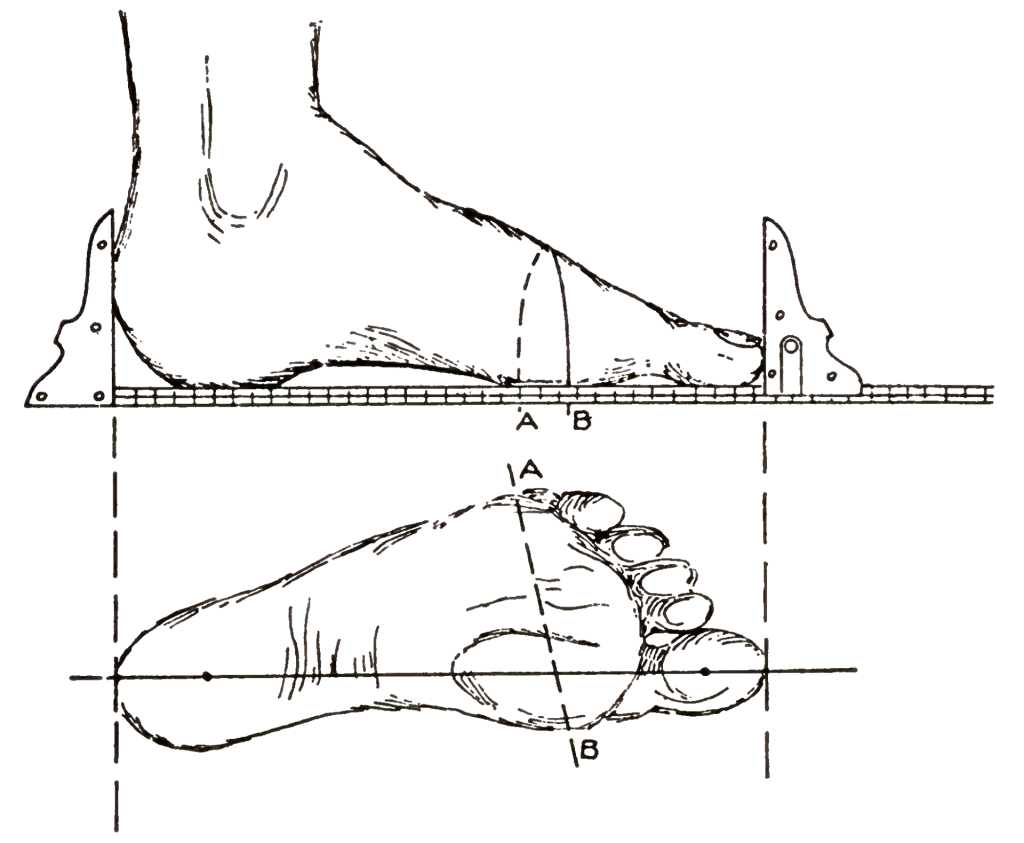
A last is built around a set of measurements: overall length, ball girth, heel width, instep height and the distance from heel to ball. The number on the box only describes the first of those.
Four measurements, taken with a soft tape and a pencil, in about ten minutes on a hard floor.
Ball girth, taken standing with the tape snug
Wrap the tape around the widest part of the forefoot, over the ball and under the arch, with your weight on both feet. Standing is the point. Sitting lifts the arch and narrows the forefoot by enough to change the reading.
This number predicts whether a shoe will pinch across the joints far better than the width letter on the box. A D width on one last is not the same as a D on another, and the letters are not standardised between makers.
Take it twice, morning and evening. A difference of five millimetres or more means you should shop in the afternoon and accept that a morning wear will feel slightly loose.
Write the number down in millimetres. Half sizes are four to five millimetres of length, so a girth figure in millimetres is the only one you can compare honestly against a shoe’s stated fitting.
Heel width, measured around the back of the heel
Run the tape around the back of the heel at its widest point, angled slightly forward toward the ankle bones. This is the figure that decides whether a counter can hold you or whether the shoe will slip no matter how tight you lace it.
A narrow heel with a wide forefoot is common and badly served by single-width shoes. The usual advice, keep sizing down until the heel grips, buys heel hold at the cost of toe room and creates a rub you will feel within a week.
Look instead for a combination last, which pairs a narrow heel with a wide forefoot. They are usually described that way in the product notes, and they solve what no insole can.
Take this figure with the foot on the floor rather than hanging free. A hanging foot narrows at the back, and a shoe fitted to that reading will be loose the moment you stand up in it.
Instep height, from the floor over the top of the foot
Stand with the foot flat and measure from the floor up over the highest point of the instep. A tape around the instep and the heel gives a related figure and is easier to repeat without help.
A high instep lifts the tongue, opens the quarters and makes the lacing feel tight before the forefoot is snug. A low instep leaves the quarters touching and the laces bottomed out against each other.
In a shop, press the vamp with a thumb while the shoe is laced. If the leather touches the top of your foot with no gap at all, the shoe is too shallow, and no lacing pattern will create room that is not there.
This is also the measurement that explains why one person calls a shoe roomy and another calls the same shoe tight. The length and width can match exactly while the depth does not.
Do not confuse instep height with the height of the toe box. One decides whether the laces can close, the other decides whether the toes have a ceiling, and a shoe can be generous in one and mean in the other.
Heel to ball length, which sets where the shoe bends
Measure from the back of the heel to the centre of the ball, straight along the foot rather than around it. This decides where a shoe should flex, and almost nobody takes it.
Two feet of the same total length can have heel-to-ball lengths eight millimetres apart. Put the shorter one into a shoe built for the longer and the flex point lands behind the ball, which is the classic cause of arch ache and a toe box that creases in the wrong place.
Compare the figure with the shoe’s own flex point. Bend the shoe in your hands and see where it folds. If those two lines do not meet, the pair will feel wrong however good the length and width turn out to be.
Four numbers on a card in your wallet will outlast any size you memorise, because they describe your foot rather than a maker’s idea of a foot.
Measure again after a long day on your feet. The numbers move, and the shoe should fit the foot you have at six in the evening rather than the one you woke up with.