Four patrol and security shoes built for eight hours of walking

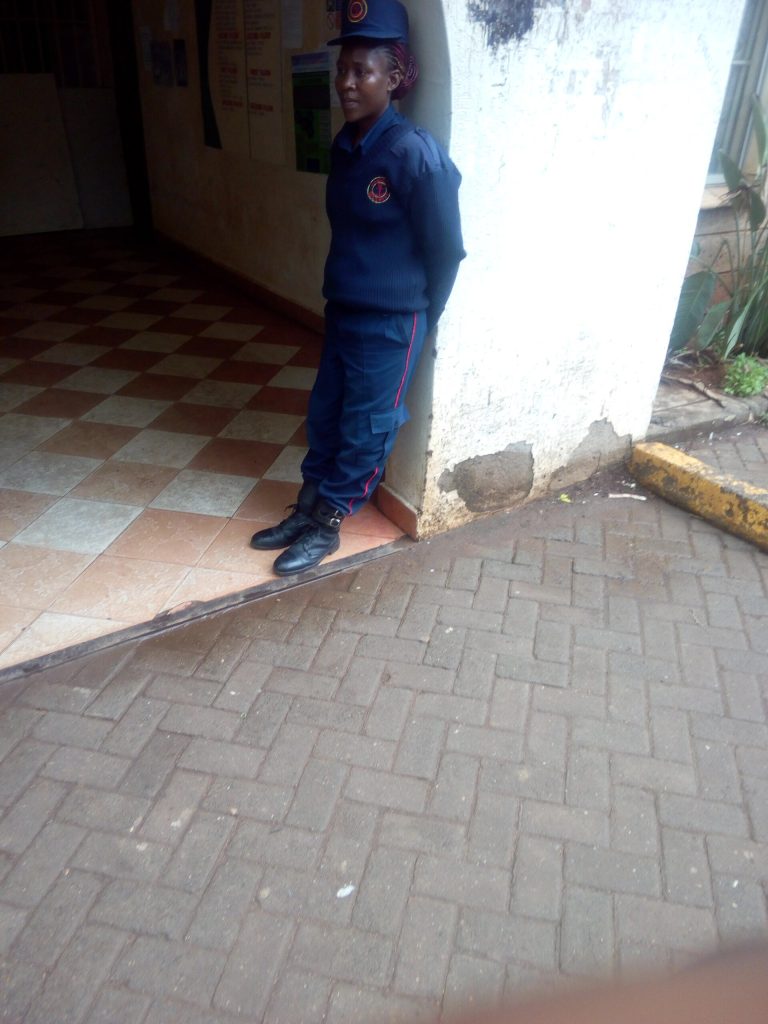
A patrol shift is eight hours of slow walking with sudden interruptions, and slow walking is the hardest gait to build a shoe for. It lands flat, with no momentum to carry you through the step.
The route crosses wet asphalt, a lobby with polished stone, concrete stairs and a vehicle footwell, often within ten minutes of each other. The shoe has to look respectable at a desk and stay honest on a kerb at three in the morning.
I walked a month of shifts in each pair, roughly fifteen kilometres a night. Four made the list, and one of them only just.
A straight last with a wide forefoot, not a running last
Running shoes are built around a curved last that rolls you forward. On a slow patrol that curve fights the flat footfall and pushes the toes together with every step.
A straighter last with a wide toe box lets the forefoot spread on contact. Look at the sole from above: a nearly straight inner edge is the sign that it is built for walking rather than running.
The failure shows up as a hot spot under the ball and a squashed little toe after a month. That is geometry, and it will not break in.
Try the pair on at the end of a day, after you have been standing. A patrol shoe that fits at nine in the morning will be tight by the second hour of the night shift.
Width at the ball is the number that matters, not the length. Ask for the measured last width rather than choosing between a regular and a wide, because most brands shift width without telling you.
One tread for wet asphalt and polished stone
These are the two hardest surfaces to combine. Asphalt wants soft rubber and open blocks; polished stone wants a large contact patch with no hard edges to catch.
A medium soft rubber with shallow, wide blocks and rounded shoulders does both. Deep, sharp lugs grip the road and skate on the lobby floor, which is where the incident report gets written.
Test on a wet pavement and then on a tiled shop floor in the same walk. If one of them feels like ice, the shoe will fail half of your route on every shift.
Compound hardness is the underlying number. A rubber around 60 to 65 Shore A holds a wet kerb without marking a stone lobby floor, and a softer one marks every turn.
Check the heel edge separately. The heel takes the first contact on a stair and on a kerb, and a hard, square heel edge is where a slip starts on a rainy night.
A midsole that is still there at hour six
Patrol work is long and low intensity, which means the foam is loaded for hours rather than struck briefly. Soft foam packs under that kind of load and never comes back.
Ask for a denser EVA or a polyurethane midsole, and check that the heel is at least 25 mm thick. Thin, soft midsoles feel fast in the shop and die in a month.
Press the heel at the start and at the end of a shift. A visible difference in height between morning and night means the foam is already taking a set.
The upper matters less than you think, but the heel counter still has to hold. A soft counter lets the heel tilt inward on every flat footfall, and the ankle pays for it by the end of the week.
A polishable toe and a boot height you can justify
Uniform standards usually ask for black, polishable and no visible logo. A full grain toe holds a shine through a scuff; a coated split cracks at the flex within weeks.
Height is a real decision rather than a style one. A six inch boot protects the ankle on kerbs and stairs; a low shoe is cooler and faster on a long indoor route.
If the route is mostly outdoors and includes stairs, take the boot. If it is a lobby and a car park, the low shoe will be the one you are still wearing in month six.
A boot also needs a cuff that does not chew the shin when you crouch to a wheel clamp. Fold the top edge over and check that the lining runs above the padding, not under it.
A patrol shoe is judged at the end of the route, not at the start, and the difference shows in the midsole before the tread. Get the last and the rubber right, then decide the height.
The rest is a uniform question, and it is the easy one to answer with a photograph of the policy on your phone.