Four wide toe box shoes that take pressure off the ball of the foot

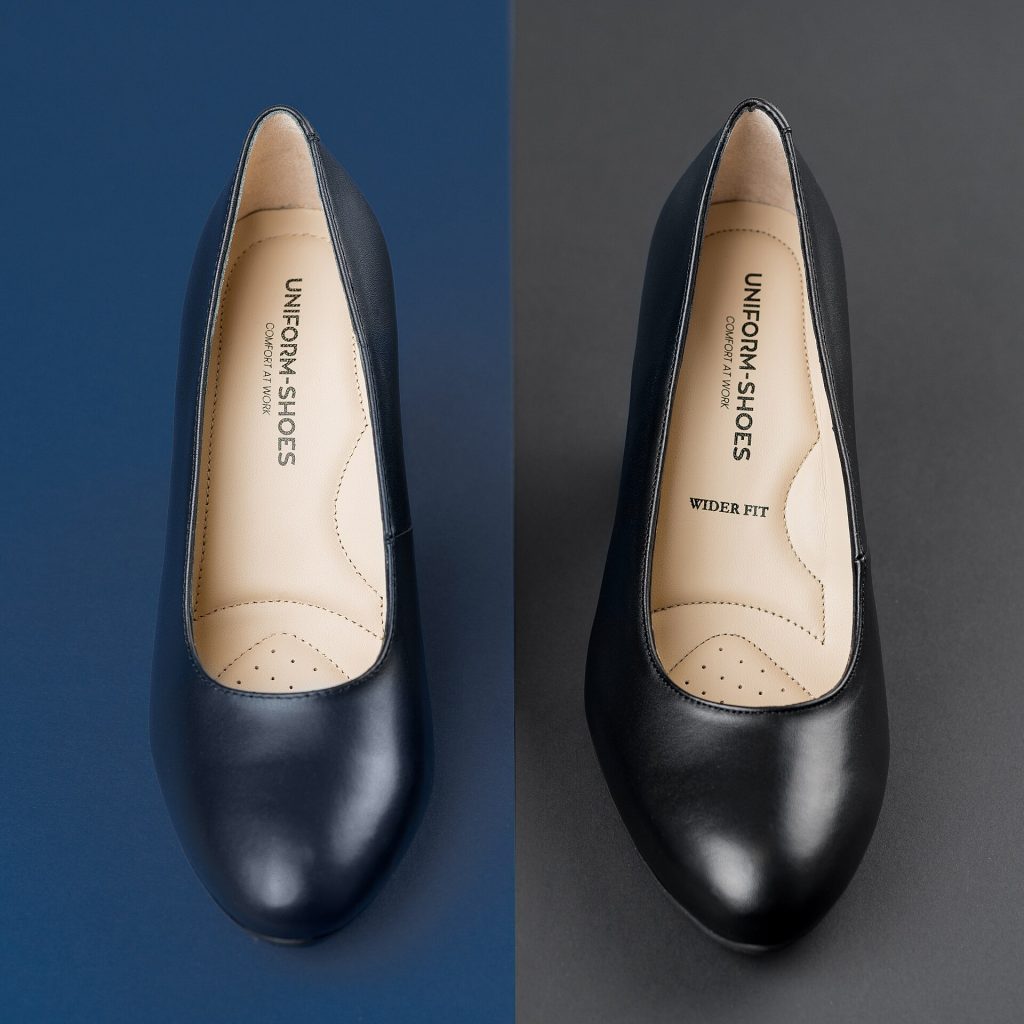
Pressure on the ball of the foot is almost never a cushioning problem. It is a width problem, and it starts at the joint where the big toe meets the first metatarsal, which needs room to move outward as you push off.
A shoe can be labelled wide and still squeeze that joint, because width is usually measured at the ball and the shape of the last is what decides where the room sits. A wide shoe with a tapered toe is still a narrow shoe where it counts. Two pairs with the same interior measurement can feel completely different depending on where the widest point falls.
I wore each of the four below for a month, marking the skin over the first metatarsal each evening to see whether the redness had moved or spread.
All four were chosen for the shape of the last rather than the width printed inside. Each one left the joint alone, which was the only thing I was measuring.
A last with a straight medial line
Look down at the shoe from above. The inner edge should run almost straight from the heel to the big toe, then turn. A line that curves inward at the ball is cutting across the joint.
Trace it with a finger and compare it with your own foot on a sheet of paper. If your foot spills past the drawn line at the ball, no amount of stretching will fix the last.
This single shape is why some shoes feel wide without being labelled wide. The volume is in the right place. It also changes where the upper creases, because a true line makes the crease run lengthwise along the inside instead of diagonally across the joint.
Twenty five millimetres of height over the big toe
Width alone does not help if the toe box is low. The big toe rises as it extends, and a shallow box presses the nail down onto the joint below.
Measure the internal height at the big toe with a ruler and a straight edge across the top. Twenty five millimetres is a working minimum for most feet. Measure at the ball of the foot rather than the tip, because most boxes taper toward the front and the joint sits further back than people expect.
Press the upper above the toe with a thumb. It should be soft enough to lift a few millimetres. A firm toe cap above the joint turns every step into a lever against the toe.
Depth matters at the little toe too. A box that is tall at the big toe and then slopes away will press the smaller toes, and that bruise is easy to blame on the pavement.
A forefoot panel that gives at the first metatarsal
Some shoes have the width and still press, because the material over the joint does not move. Knitted panels and soft suede give. Stiff coated leather and rubberised overlays do not.
Find the point where the upper creases when you flex the shoe. That crease should sit behind the joint, not on it. A crease across the joint is a pressure line waiting to harden.
After two weeks, look at the inside of the upper over the ball. A shiny patch means the material is rubbing, and it will not soften with age. Press the upper inward with a thumb while the shoe is on; if it pushes back, it is pressing on the joint every time the foot swells.
A rocker placed behind the ball, not under it
If the shoe hinges under the metatarsal heads, the joint has to bend twice, once inside the shoe and once against the sole. Moving the rocker back takes that second bend away.
Flex the shoe and watch where the sole breaks. It should break just behind the widest point of the forefoot, where your foot naturally flexes.
A rocker that is too far forward feels like walking on a plank with a hinge at the toes. You will notice it as a hard stop at push-off rather than a roll.
Look for a crease across the widest point of the sole after a month of wear. That is the hinge the shoe chose, and it will still be the hinge at the end of the year. A shoe that only feels good with a rocker under the joint is telling you the last is too narrow.
The four pairs that worked all had room in front of the joint and nothing pressing on top of it. That combination is rarer than the word wide suggests.
Measure the shoe, then measure your foot. The gap between those two numbers is the whole story.